
SynGas
Syngas Fuel Saver Canada represents an innovative approach to improving engine efficiency by enhancing the combustion process through the introduction of hydrogen-rich synthesis gas. In a time when fuel costs are rising and environmental concerns are increasing, such technologies offer a practical way to optimize fuel usage without completely replacing existing engine systems. By promoting more complete combustion, the system can help engines run smoother, cleaner, and more efficiently.
✅ Improves fuel efficiency by enhancing combustion
✅ Reduces overall fuel consumption
✅ Lowers harmful exhaust emissions
✅ Enhances engine performance and responsiveness
✅ Helps keep engine components cleaner
✅ Can lead to long-term cost savings on fuel
While results may vary depending on factors like engine type, installation quality, and usage conditions, many users consider it a useful supplementary solution for reducing fuel consumption and emissions. However, it is important to approach such systems with realistic expectations and ensure proper installation and maintenance. Overall, Syngas Fuel Saver can be seen as a supportive technology that contributes to better fuel management and a more eco-conscious approach to engine operation.
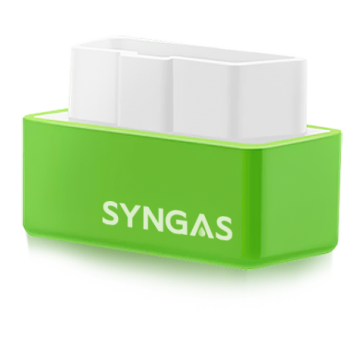
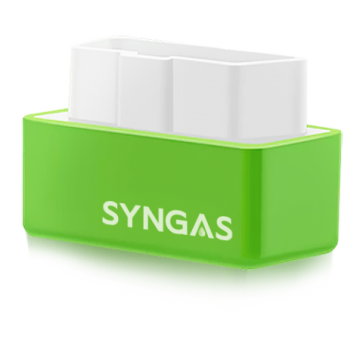
Syngas OBD Fuel Saver Canada - In today’s world, where fuel prices are unpredictable and environmental concerns are growing, improving fuel efficiency has become a priority for individuals and industries alike. Internal combustion engines still dominate transportation and machinery, but they are often criticized for inefficiency and pollution. This has led to the development of various technologies aimed at optimizing fuel usage. One such innovation is the Syngas Fuel Saver, a system designed to enhance combustion and reduce fuel consumption. This article provides a comprehensive overview of how this technology works, its benefits, limitations, and real-world applications.
What is a Syngas Fuel Saver?
A Syngas Fuel Saver Canada is a device or system that generates a small amount of synthesis gas (syngas) and introduces it into an engine’s air intake to improve the combustion process. Syngas typically consists of hydrogen (H₂), carbon monoxide (CO), and sometimes traces of methane (CH₄).
The primary goal of the system is not to replace traditional fuel like petrol or diesel, but to enhance how efficiently it burns. By improving combustion, the engine can extract more energy from the same quantity of fuel, which can lead to better mileage and reduced emissions.
Understanding Syngas and Its Role
Syngas is a versatile fuel that has been used in various industrial applications for decades. It is produced through processes such as gasification or reforming of hydrocarbons. In the case of fuel-saving devices, syngas is generated in small quantities directly within or near the engine.
The most important component of syngas is hydrogen. Hydrogen has a very high flame speed and low ignition energy, meaning it ignites quickly and burns efficiently. When mixed with conventional fuels, it helps ensure a more complete and uniform combustion process.
Carbon monoxide and methane also contribute as combustible gases, but hydrogen is the key factor that improves engine performance.
How Does a Syngas Fuel Saver Work?
The operation of a Syngas Fuel Saver involves several key steps:
Generation of Syngas
The device produces syngas either by reforming fuel or through electrochemical methods. This is done in small quantities to avoid altering the engine’s core fuel system.Introduction into the Air Intake
The generated gas is fed into the engine’s intake manifold, where it mixes with air and the primary fuel.Enhanced Combustion Process
The hydrogen in syngas improves flame propagation, leading to faster and more complete combustion.Improved Energy Output
With more efficient burning, the engine generates more usable energy from each unit of fuel.
This process occurs continuously while the engine is running.
Key Benefits of Syngas Fuel Saver
1. Improved Fuel Efficiency
One of the most attractive advantages is increased fuel efficiency. By ensuring more complete combustion, the engine can travel longer distances using the same amount of fuel.
2. Reduced Fuel Consumption
Because less fuel is wasted during combustion, overall consumption decreases. This can be particularly beneficial for high-mileage vehicles or heavy machinery.
3. Lower Emissions
Incomplete combustion is a major source of pollutants such as carbon monoxide and unburned hydrocarbons. By improving combustion, syngas systems can significantly reduce these emissions.
4. Enhanced Engine Performance
Engines may run smoother and respond better to acceleration. The improved combustion process can also reduce knocking and vibration.
5. Cleaner Engine Components
Carbon buildup inside the engine is often caused by incomplete fuel burning. With better combustion, deposits may be reduced, leading to cleaner engine internals.
6. Long-Term Cost Savings
Although there may be an upfront cost, the reduction in fuel consumption can lead to savings over time.
Applications of Syngas Fuel Saver
Syngas Fuel Saver systems can be used in a wide range of applications:
Passenger Vehicles: Cars and motorcycles can benefit from improved mileage.
Commercial Vehicles: Trucks and buses can achieve significant fuel savings.
Industrial Equipment: Generators and heavy machinery can operate more efficiently.
Agricultural Machinery: Tractors and irrigation pumps can reduce operating costs.
This versatility makes the technology appealing across different sectors.
Environmental Impact
Environmental sustainability is a major driver behind the adoption of fuel-saving technologies. Traditional engines emit pollutants that contribute to air pollution and climate change. By improving combustion efficiency, Syngas Fuel Saver systems can help reduce:
Carbon monoxide emissions
Unburned hydrocarbons
Smoke and particulate matter
While it does not eliminate emissions entirely, it represents a step toward cleaner engine operation.
Limitations and Challenges
Despite its advantages, there are several limitations to consider:
1. Variable Results
The effectiveness of the system can vary depending on engine type, fuel quality, and operating conditions.
2. Installation Quality
Improper installation can reduce effectiveness or even cause issues. Professional installation is recommended.
3. Initial Investment
There is a cost associated with purchasing and installing the system.
4. Maintenance Requirements
Additional components may require maintenance over time.
5. Market Variability
Not all products on the market meet the same quality standards. Some may not deliver the expected results.
Installation and Maintenance
For optimal performance, proper installation is essential. The system must be integrated into the engine’s air intake without disrupting normal operation. Regular checks and maintenance can help ensure long-term reliability.
Users should follow manufacturer guidelines and monitor engine performance after installation.
Comparison with Other Fuel Efficiency Solutions
Syngas Fuel Saver is one of several technologies aimed at improving fuel efficiency. Others include:
Hybrid Vehicles: Combine internal combustion with electric power.
Fuel Additives: Improve combustion through chemical means.
Engine Tuning: Adjusts parameters for optimal performance.
Compared to these options, syngas systems are relatively simple and can often be retrofitted to existing engines.
Future Outlook
As the demand for cleaner and more efficient energy solutions grows, syngas technology may continue to evolve. Improvements in system design and efficiency could make it more widely accepted.
Research is also exploring its use in larger-scale applications, such as power generation and alternative fuels.
Practical Tips for Users
If you are considering a Syngas Fuel Saver, keep the following in mind:
Choose a reliable and reputable product
Ensure compatibility with your engine
Opt for professional installation
Track fuel consumption before and after installation
Perform regular maintenance
These steps can help maximize the benefits of the system.
Conclusion
Syngas Fuel Saver is an innovative technology designed to improve fuel efficiency and reduce emissions in internal combustion engines. By introducing a small amount of hydrogen-rich gas into the combustion process, it enhances how fuel burns, leading to potential improvements in performance and cost savings.
While the technology offers promising benefits, its effectiveness can vary depending on multiple factors. It should be seen as a complementary solution rather than a complete replacement for existing fuel systems.
In a world that is increasingly focused on sustainability and efficiency, technologies like Syngas Fuel Saver highlight the potential for improving traditional systems. When used correctly, it can contribute to better fuel economy, reduced environmental impact, and more efficient engine operation.
